


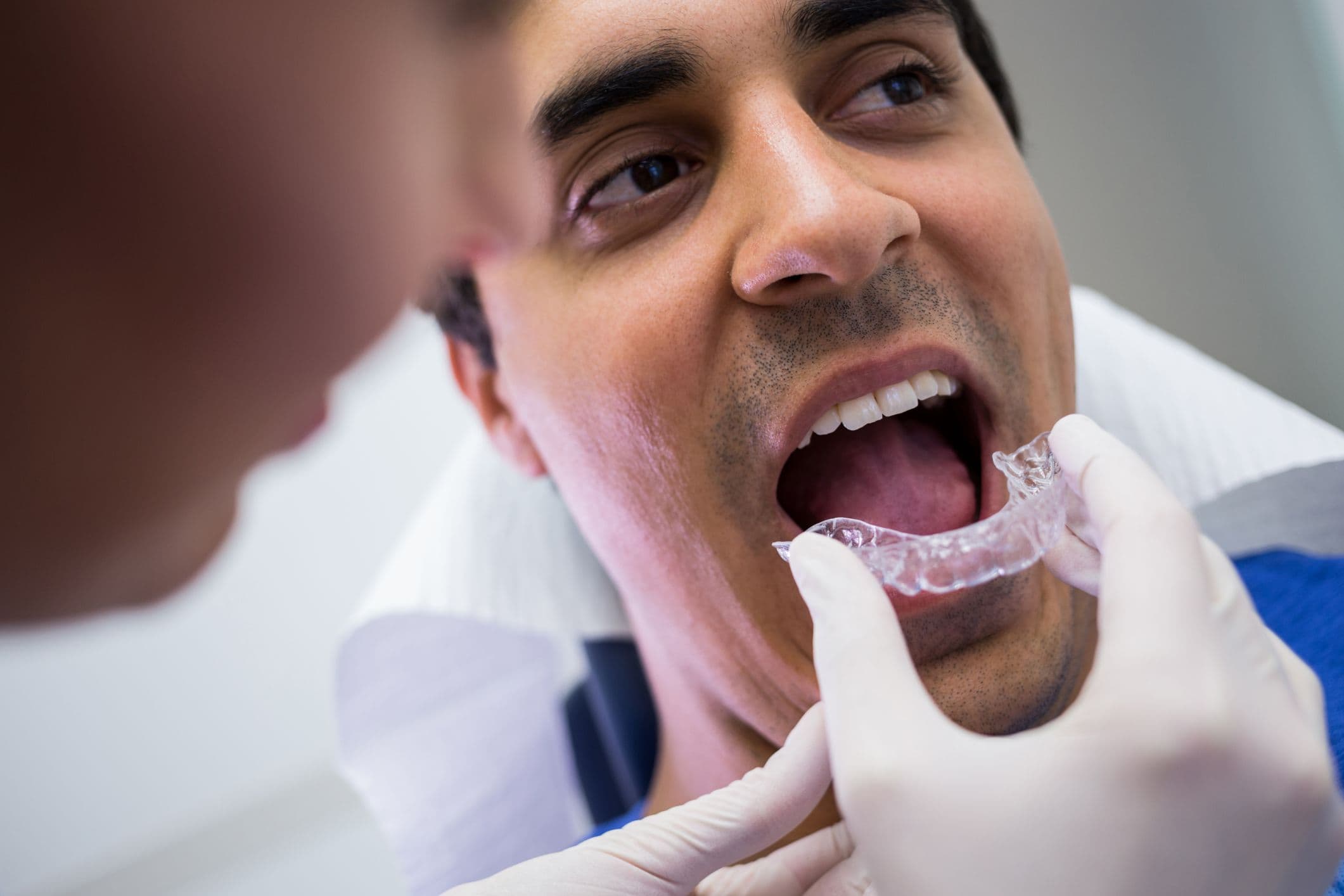
Invisalign has changed how people think about straightening their teeth. These clear, removable aligners offer a way to get a beautiful smile without the look of metal brackets and wires. But here’s something many people don’t realize: the provider you choose matters just as much as the treatment itself, especially when you’re searching for the best Invisalign provider in Brewton, AL.
Invisalign is an orthodontic treatment that uses a series of custom-made, clear plastic aligners to gradually straighten teeth without metal brackets or wires. Not every dental professional has the same training or experience with clear aligners, though. A board-certified orthodontist brings years of specialized education focused specifically on moving teeth and aligning jaws. Our team of board-certified orthodontists and AAO members brings that depth of training to every patient who walks through the door. That training shows up in how we plan your case, handle surprises, and get you to a result you actually love.
What Is Invisalign and Why Does Provider Choice Matter?
Invisalign is a clear aligner orthodontic treatment that uses custom-made removable trays to gradually straighten teeth. Each tray is engineered to apply precise force to specific teeth at specific times. Your orthodontist designs the treatment plan driving those movements, and a provider with deep Invisalign experience knows how to anticipate complications, plan for tricky tooth movements, and adjust when things don’t go exactly as expected.
General dentists can offer Invisalign, but they lack the two to three years of post-doctoral residency training that orthodontists complete. That specialized education covers biomechanics, growth and development, and the nuances of tooth movement that make the difference between a good result and a great one. For families in Brewton, AL, choosing a qualified orthodontist over a general dentist for clear aligner therapy can mean fewer refinements, shorter overall timelines, and a better final outcome.
How the Invisalign Treatment Process Works
Here’s what to expect from start to finish. Invisalign treatment involves a digital scan, custom aligner fabrication, daily wear of removable trays, regular progress check-ins with your orthodontist, and a retainer phase to maintain results. Most people complete their aligner therapy in 6 to 18 months depending on their specific needs. Board-certified orthodontists guide each of these steps.
What Happens at Your Initial Consultation?
Digital scans of your teeth are taken using advanced 3D imaging technology. No goopy impressions needed. These scans create a precise map of your mouth, and you’ll actually see a preview of how your teeth will move throughout the process. This isn’t guesswork. It’s science. Your orthodontist will walk you through the projected timeline, expected number of trays, and any factors that could affect your care.
How Are Custom Aligners Made?
Based on your orthodontist’s treatment plan, Invisalign creates a series of custom trays designed specifically for your teeth. Each set is slightly different, moving your teeth bit by bit toward their ideal positions. The expertise behind the plan is what shapes the entire outcome.
What Does Daily Wear Look Like?
You’ll wear your aligners for 20 to 22 hours each day. Take them out to eat, brush, and floss, then pop them back in. Every one to two weeks, you’ll switch to a new set of trays. Each switch brings you closer to your goal.
Why Do Progress Check-Ins Matter?
Regular appointments let your orthodontist monitor how things are going. Sometimes adjustments are needed. Maybe an extra tray here or a refinement there. This is where having an experienced provider really pays off. They catch issues early and keep your care on track.
What Happens After Your Teeth Are Straight?
Once your teeth reach their new positions, you’re not quite done. Retainers help maintain your results. Your teeth have memory, and they’ll want to drift back without proper retention. Expect clear instructions on exactly what you need to keep that smile looking great.
What Are the Key Benefits of Choosing Invisalign Over Traditional Braces?
Invisalign offers several advantages over braces, including a nearly invisible appearance, removable trays, fewer office visits, a more comfortable fit, and the ability to preview your results before you get started.
How Visible Are Invisalign Aligners?
The clear plastic trays are hard to spot. Most people won’t notice you’re wearing them unless you point it out. This matters for adults in professional settings and teens who feel self-conscious about their appearance. You can smile confidently throughout the entire process.
Eating and Hygiene Stay Simple
Eat what you want. There’s no list of forbidden foods like with braces. Remove your aligners, enjoy your meal, brush your teeth, and put them back in. Flossing stays simple too, since there are no wires to thread around or brackets to work between. Because you’re removing the trays to clean your teeth, your brushing and flossing routine stays exactly the same as it was before. That’s a big deal for long-term oral health.
Fewer Unexpected Office Visits
Braces often mean emergency appointments for broken brackets or poking wires. Invisalign patients typically experience fewer surprise visits. Your scheduled check-ins are usually all you need, which means less time away from work or school.
Comfort You Can Actually Feel
Invisalign’s SmartTrack material moves teeth in a controlled, predictable way. The smooth plastic won’t irritate your cheeks or gums like metal brackets can. Yes, you’ll feel some pressure when you switch to new trays, and that’s the aligners doing their job. Most patients find this pressure manageable and say it fades within a day or two.
See Your Future Smile Before Getting Started
Digital treatment planning shows you exactly what to expect. Before you even get started, you’ll see how your teeth will look when your aligner therapy ends. This preview helps you feel excited and motivated about what’s ahead.
Invisalign vs. Other Clear Aligner Options: How Do They Compare?
With so many options out there, understanding the differences helps you make a smart choice.
| Feature | Invisalign | Mail-Order Aligners | Braces | InBrace |
|---|---|---|---|---|
| Provider Oversight | In-person orthodontist | Remote, limited | In-person orthodontist | In-person orthodontist |
| Visibility | Nearly invisible | Nearly invisible | Visible metal/ceramic | Completely hidden |
| Removability | Yes | Yes | No | No |
| Complex Case Capability | Moderate to high | Low | High | Moderate to high |
| Mid-Course Adjustments | Yes | Limited | Yes | Limited |
How Does Invisalign Compare to Mail-Order Aligners?
Those ads for aligners delivered to your door might seem appealing. Lower price tag. Convenience. But there’s a catch. Without in-person orthodontic oversight from a board-certified orthodontist who holds AAO membership, red flags can go unnoticed. Teeth don’t always move as planned. Bite issues can develop. According to the American Association of Orthodontists, aligner therapy without professional supervision can lead to irreversible damage in some cases.
When you work with a qualified orthodontist, they’re watching your progress at every appointment. They can make mid-course corrections that mail-order companies simply cannot provide.
How Does Invisalign Compare to Braces?
Braces work incredibly well for complex cases. Deep bites, severe rotations, and significant skeletal situations often respond better to brackets and wires. But for many patients, Invisalign achieves the same results with more comfort and discretion.
The right choice depends on your specific situation. A qualified orthodontist can tell you which option will work best for your teeth and your lifestyle.
How Does Invisalign Compare to InBrace?
InBrace places brackets behind your teeth, making them completely invisible from the front. You don’t remove them to eat. Your care happens around the clock without thinking about it. Some patients prefer this hands-free approach. Others like the flexibility of removable aligners.
Both options have their place. Board-certified orthodontists can evaluate which option fits your specific needs and daily routine.
How Much Does Invisalign Typically Run?
Invisalign treatment typically runs between $3,000 and $8,000 nationally. In Brewton, AL, factors like case complexity, how long you’re in aligners, and provider experience all influence where your total falls within that range.
The biggest driver is case complexity paired with how long you wear aligners. Simple spacing situations run less than complicated bite corrections, and a 6-month case naturally uses fewer trays than an 18-month case. More involved situations require more aligners, longer timelines, and more appointments, all of which affect the total.
Provider experience also plays a role. Orthodontists with higher Invisalign provider tier status have treated more cases. This experience often translates to more efficient planning, which can actually reduce your total in the long run.
On the insurance side, many dental plans with orthodontic benefits cover Invisalign the same way they cover braces. Check with your provider to understand your specific coverage. And when it comes to paying out of pocket, most orthodontic practices offer flexible low monthly payment options. Harvey & Thomas Orthodontics in Brewton, AL offers a payment calculator on their website, making it easy to understand your options before you even walk in the door. An initial consultation helps you get a clear picture of your specific fees.
Don’t let budget questions stop you from exploring your options. Many patients are surprised to find that clear aligners fit their budget better than expected.
Who Is a Good Candidate for Invisalign?
Good candidates for Invisalign include teens and adults with mild to moderate crowding, gaps, overbites, underbites, crossbites, or open bites. Patients must commit to wearing aligners 20 to 22 hours daily. Here’s a deeper look at what determines whether clear aligners are right for you.
Conditions Invisalign Treats Effectively
- Mild to moderate crowding
- Gaps between teeth
- Overbite, underbite, and crossbite (mild to moderate)
- Open bite
- General alignment situations
Age Considerations
Both teens and adults can benefit from Invisalign. Invisalign Teen even includes compliance indicators that show whether the aligners are being worn enough. Parents appreciate this feature.
Adults often love how discreet the process feels. No one at work needs to know you’re straightening your teeth unless you want to share.
Commitment Level
Here’s the honest truth: Invisalign only works if you wear it. Those 20 to 22 hours per day matter. If you’re not willing to keep the aligners in consistently, your results will fall short. Patients who follow instructions see the best outcomes.
When Invisalign Might Not Be the Best Choice
Severe skeletal conditions sometimes require braces or even surgical intervention. Complex extractions and certain types of tooth rotations may respond better to brackets and wires.
Some patients benefit from a hybrid approach, starting with braces and finishing with aligners. The only way to know for sure? Schedule a thorough evaluation with a board-certified orthodontist. They’ll examine your teeth, take imaging, and give you honest recommendations based on your specific situation.
Frequently Asked Questions About Invisalign
How long does Invisalign take?
Most patients complete their aligner therapy in 6 to 18 months. Simple cases involving minor crowding or spacing often finish on the shorter end. More involved bite corrections take longer. A timeline built around your case comes together during your initial consultation based on your specific needs.
Does Invisalign cause discomfort?
You’ll feel pressure when you switch to new aligners. This is normal and means the trays are working. Most people describe it as mild tightness rather than anything sharp, and it typically fades within a day or two. Over-the-counter relievers help if needed, though many patients find they don’t need them at all.
Can I eat with Invisalign in?
No. Always remove your aligners before eating or drinking anything other than water. Food can stain or damage the trays. Hot beverages can warp the plastic. After eating, brush your teeth before putting the aligners back in. This keeps everything clean and prevents cavities.
How do I find a top-rated Invisalign provider?
Look for a board-certified orthodontist with significant Invisalign experience. Provider tier status indicates how many cases they’ve completed. AAO membership and additional credentials demonstrate an ongoing investment in advanced training. Patient reviews are worth reading too, because they tell you what the experience actually feels like. Harvey & Thomas Orthodontics in Brewton, AL, for example, holds both AAO and ADA memberships along with board certification.
Is Invisalign covered by insurance?
Many orthodontic insurance plans cover Invisalign just like they cover braces. Coverage amounts vary by plan. Some policies pay a percentage of treatment fees. Others provide a lifetime maximum for orthodontic care. Contact your insurance provider for specifics, or ask the orthodontic practice to verify your benefits.
What happens if I lose an aligner?
Contact your orthodontist right away. Depending on where you are in the process, they may advise you to move to the next set of trays or order a replacement. Don’t try to skip ahead on your own. The clinical team knows the best path forward.
Can I drink coffee with Invisalign?
Remove your aligners for coffee, tea, or any colored beverages. These drinks can stain the clear plastic, making your aligners visible. Water is the only safe drink to consume while wearing them. If you’re a heavy coffee drinker, just build removal and brushing into your routine, and it becomes second nature within a few days.
Board-certified orthodontists bring specialized training that general dentists don’t have, and finding the right Invisalign provider in Brewton, AL makes all the difference in your results. A consultation gives you the chance to ask questions, see your options, and understand exactly what to expect, with no pressure and no obligation.